By Tannmay Kumarr Baid and Bharath Reddy
By Y. Nithiyanandam
By Y. Nithiyanandam
By Lokendra Sharma and Pranay Kotasthane
By Ashwin Prasad, Bharath Reddy and Rijesh Panicker
By Tannmay Kumarr Baid and Pranay Kotasthane
By Manoj Kewalramani and Amit Kumar
By Anushka Saxena and Manoj Kewalramani
By Lokendra Sharma and Karthik Bappanad
Edited by Manoj Kewalramani, Anushka Saxena and Amit Kumar
Through this compendium, we hope to present some of these good ideas, worked on by brilliant young scholars and sandpapered by a distinguished network of mentors. We feel especially proud presenting this compendium also because it is a product of the proceedings of the very first year of the NASC Fellowship (2023-24). The papers included herein, thoroughly unriddle the Middle Kingdom across a range of issues, and have gone through many rigorous rounds of mentor and peer review over the course of a year.
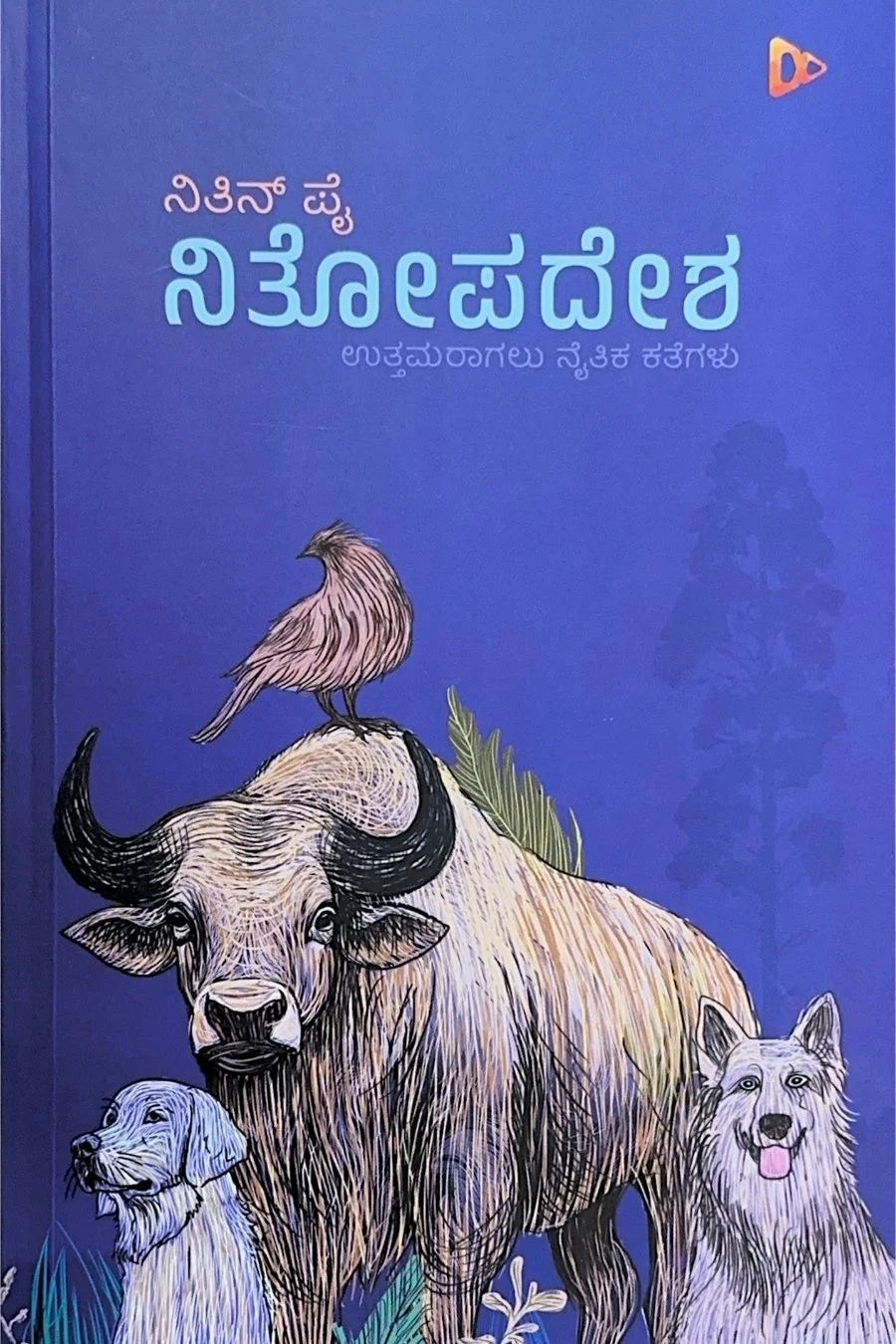
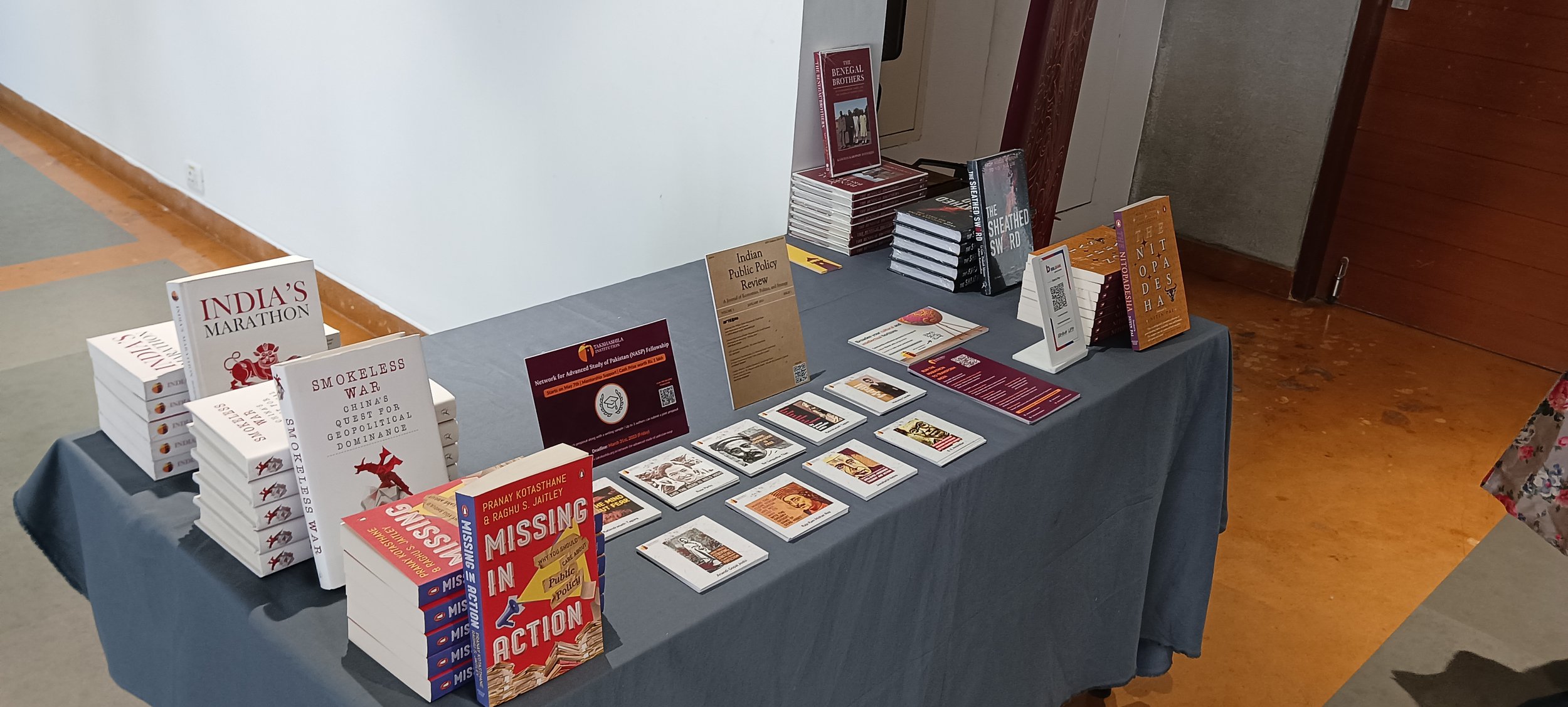
By Nitin Pai
In the distant land of Gandhara, there once was a janapada called Chakrapuri. Its elders were a worried lot. Their children were uninterested in the welfare and upkeep of the janapada. Most of them were consumed by self-interest and avarice, seeking personal gains, even at the cost of their fellow citizens. Realizing that the young must learn the arts and crafts of citizenship, the Sabha of Chakrapuri decided to employ Nitina of Takshashila, whose wisdom was said to be unparalleled, to teach their children. So it came to pass that the unconventional scholar was entrusted with the charge of these boys and girls for the next ninety days.
Thus begins the Nitopadesha. A labyrinth of stories in the style of the Panchatantra and the Jataka tales, this is a book about good citizenship and citizen-craft that will speak to the modern reader. Covering aspects such as what citizenship means, the ethical dilemmas one faces as a citizen and how one can deal with social issues, Nitin Pai's absorbing translation is an essential read for conscientious citizens of all ages.
From the Research Vault
India’s bioeconomy has been increasing its share of the national GDP. COVID-19 provided a fillip to this share. However, COVID-19 was a black swan event, and its waning influence is reflected in the reduced bioeconomy growth rate. India’s future trajectory should account for the COVID-19 aberration and provide roadmaps that recommend substitutes. Our report recommends 15 steps to fulfil India’s aim of achieving a $300 billion bioeconomy by 2030.
Read the report to know more.
OpenTakshashila | Get Together for Change
Say goodbye to noisy, pointless social media chatter. Say hello to a meaningful platform for informed discussions.
Learn through a free, self-paced Open Course in Public Policy. Connect and engage through open events every Friday: book clubs, open mics, masterclasses and special events on public policy.
Join our community to reflect, educate, and discuss policy and governance.
Open to all.